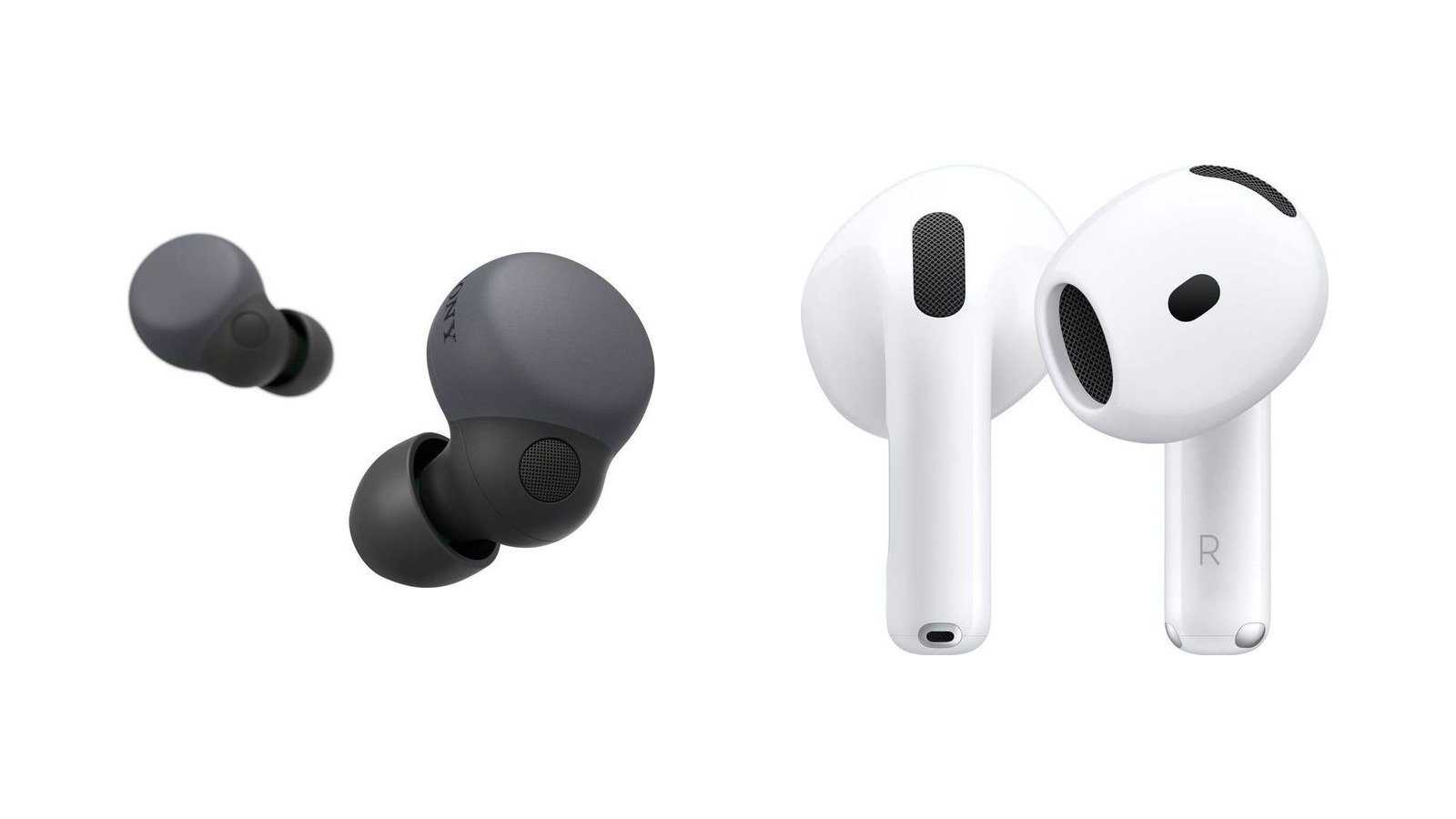

Sony LinkBuds S
Featherweight 4.8-gram spherical body sculpted from 50 years of ear-mold biometric data with hybrid ANC.
*Links open pre-filtered retailer search results or direct brand pages to check live pricing, color options, and in-stock inventory.
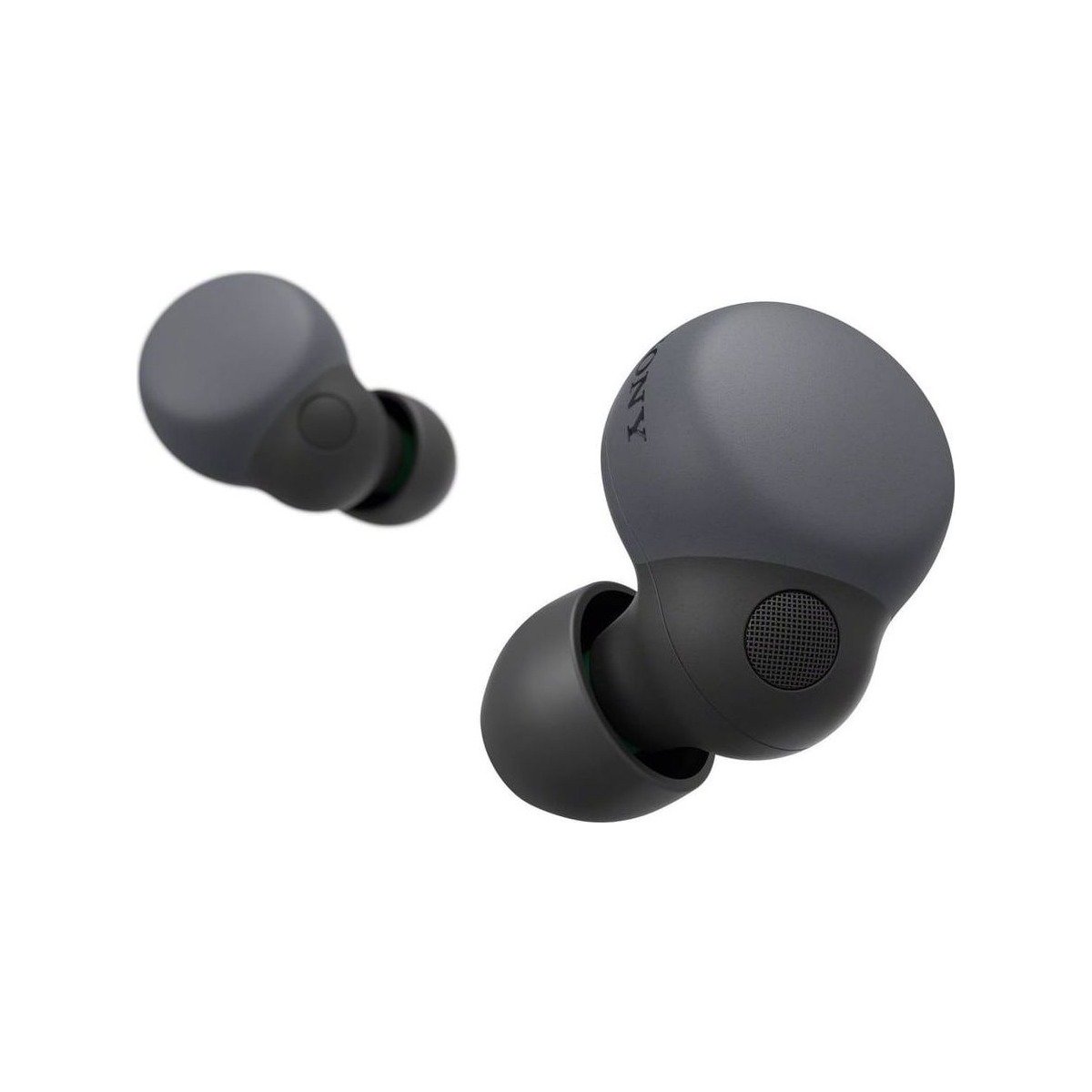
Sculpted specifically for smaller ear anatomies, the 4.8-gram Sony LinkBuds S fits flush inside the concha without stretching cartilage, delivering outstanding active noise cancellation, natural ambient sound, and LDAC audio.
What We Liked
- Featherlight 4.8-gram mass is 40% lighter and 35% smaller than the flagship WF-1000XM5
- Includes Extra-Small (LL/SS) silicone tips designed specifically for narrow ear canals
- Ergonomic surface design rests inside the ear cavity without levering against the tragus or antihelix
- Full hybrid Active Noise Cancellation and transparent Ambient Sound mode with Speak-to-Chat
- IPX4 water resistance and multipoint Bluetooth pairing between phone and laptop
What Could Be Better
- 6-hour battery life with ANC on requires charging every couple of days for heavy listeners
- Charging case has an understated matte finish that picks up pocket marks over time
- Touch controls can occasionally be triggered when tucking hair behind your ears
Why It Stands Out in Our Analysis
Sony utilized extensive biometric ear-shape data gathered since introducing the world's first in-ear headphones in 1982. The LinkBuds S replaces bulky cylindrical stems and heavy batteries with an ultra-compact rounded body that matches the natural hollow of the human concha.
For listeners who have had to return the Sony XM5, Bose QC, or Sennheiser Momentum because the earbud nozzle was simply too wide, the LinkBuds S includes genuine Extra-Small (SS) silicone ear tips that seat comfortably in narrow auditory canals without causing pressure headaches.
Despite its miniature footprint, it houses Sony's V1 processor for adaptive active noise cancellation, LDAC high-res playback, and pristine background voice isolation on phone and Zoom calls.
Anyone who has ever suffered ear fatigue, cartilage soreness, or slipping earbuds from standard one-size-fits-all in-ear monitors.
Because the outer shell is so compact, the touch-sensitive tap area is relatively small—taking a day or two of muscle memory to reliably double-tap for track skipping.


